
Introduction: AI Meets Mental Wellness
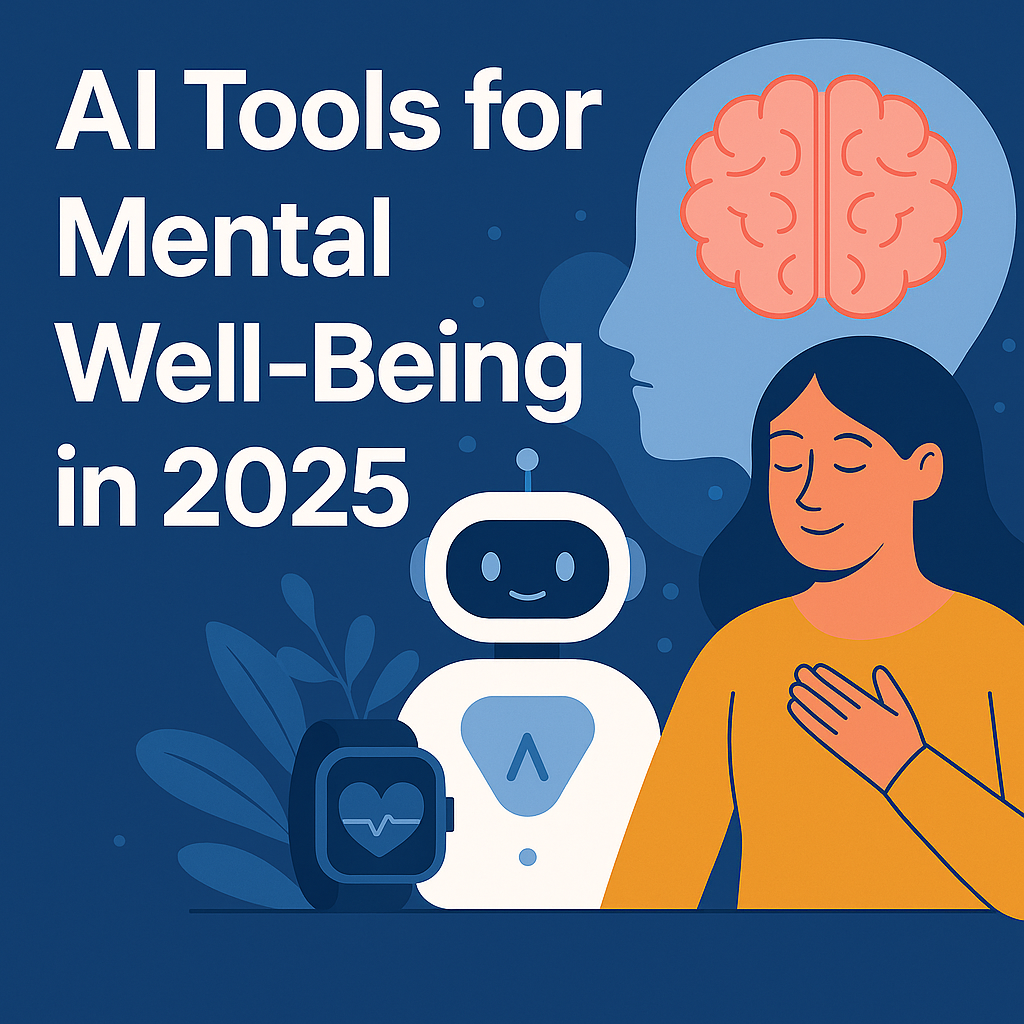
At IntelliMinds, we explore how artificial intelligence reshapes daily life. In 2025, one of the most exciting transformations is the rise of AI Tools for Mental Well-Being in 2025. From AI-powered chatbots that provide emotional support to mindfulness apps that adapt in real time, technology is giving people new ways to manage stress, anxiety, and burnout.
Mental health is no longer a topic reserved for clinics and counseling sessions; it’s now part of everyday living, supported by digital innovation. The question is: how can you use these tools safely and effectively?
In this article, we’ll explore the benefits, risks, real-world applications, and future trends of AI for mental wellness — plus review the top tools available today.
AI Tools for Mental Well-Being in 2025/ Intelliminds
👉 “If you’re curious about how AI is making everyday life easier beyond wellness, check out our guide on AI to Automate Daily Tasks in 2025
AI Tools for Mental Well-Being in 2025
Why Mental Well-Being Matters in 2025
The pace of modern life is accelerating — remote work, economic pressures, constant notifications, and screen overload have become the norm. According to the World Health Organization (WHO), one in four people will experience a mental health condition at some point in their lives [WHO].
Mental well-being is about more than avoiding illness. It is about:
- Building emotional resilience
- Improving focus and productivity
- Strengthening relationships
- Supporting physical health
This urgent need for support has opened the door for AI Tools for Mental Well-Being in 2025 to make a real difference.
The Rise of AI in Mental Health Support
1. AI-Powered Therapy & Chatbots
Apps like Woebot and Wysa use natural language processing (NLP) to provide conversational support. These AI companions simulate therapy-like sessions, offering cognitive behavioral therapy (CBT) techniques and daily check-ins.
- ✅ Available 24/7
- ✅ Affordable or free
- ✅ Private and stigma-free
While they cannot replace licensed therapists, AI chatbots are a great first step for anyone hesitant to seek professional help.
2. Personalized Meditation & Mindfulness Apps
Meditation apps are evolving. In 2025, Headspace and Calm integrate AI that adjusts meditation sessions to your mood and stress levels.
Example: If your smartwatch detects stress, the app may suggest a breathing exercise or guided meditation immediately.
This personalized approach makes AI Tools for Mental Well-Being in 2025 more effective than traditional, one-size-fits-all apps.
3. Smart Wearables for Stress Tracking
Smartwatches and wearables now measure:
- Heart-rate variability (HRV)
- Sleep cycles
- Skin temperature
- Breathing patterns
AI then analyzes this data to give personalized wellness tips — like reminders to stretch, hydrate, or even warnings of potential burnout.
4. Virtual Reality & AI Coaching
Some tools now combine AI with virtual reality therapy. Imagine practicing mindfulness on a virtual beach while an AI coach guides you through calming exercises.
Though still emerging, VR + AI therapy will be one of the most powerful AI Tools for Mental Well-Being in 2025 and beyond.
Benefits of AI Tools for Mental Well-Being in 2025
- Accessibility – Available anywhere, anytime.
- Affordability – Many are free or low-cost.
- Personalization – Adapts to individual user data.
- Privacy – Great for those who fear stigma.
- Prevention – Detects stress before it becomes severe.
Challenges and Ethical Concerns
While promising, AI Tools for Mental Well-Being in 2025 raise some concerns:
- Data Privacy – Apps may collect sensitive health data.
- Accuracy – AI can misinterpret emotions.
- Over-Reliance – Some may replace real relationships with AI companions.
- Inequality – Not everyone has access to advanced technology.
👉 The key is to use AI tools as support systems — not as replacements for human care.
Top 5 AI Tools for Mental Well-Being in 2025
1. Woebot
- AI chatbot delivering CBT-based support.
- Ideal for quick stress management.
2. Headspace with AI Integration
- Guided meditations that adapt to stress levels.
- Syncs with wearables for real-time suggestions.
3. Youper
- AI-powered mental health assistant.
- Helps track emotions and provides mood exercises.
4. Replika AI
- A virtual companion for emotional support.
- Popular among people seeking daily check-ins.
5. Fitbit Stress Management
- Tracks HRV and sleep data.
- Gives personalized stress reduction tips.
How to Use AI Tools Safely
To get the most out of AI Tools for Mental Well-Being in 2025:
- Choose trusted apps with strong privacy policies.
- Limit usage — don’t depend solely on tech.
- Pair with offline care like therapy, exercise, or journaling.
- Protect your data — avoid oversharing sensitive details.
- Check in with yourself — ensure the tool is helping, not harming.
Links
If you’re curious about how AI makes everyday life easier beyond wellness, check out our guide on AI to Automate Daily Tasks in 2025.
For more insights, visit the WHO Mental Health Overview.
Conclusion:
AI Tools for Mental Well-Being in 2025 are changing how people manage stress, anxiety, and burnout. They provide personalized, affordable, and accessible support at a scale that was unimaginable just a decade ago.
But while AI can guide, track, and suggest, true well-being still comes from balance: professional advice, human connection, and mindful living.
👉 Ready to explore more? Don’t miss our deep dive on AI to Automate Daily Tasks in 2025.
🔹 FAQs
Q1: Can AI replace human therapists?
No. AI tools are supportive aids, not substitutes for licensed mental health professionals. They provide guidance and tracking but should not replace therapy.
Q2: Are AI wellness apps scientifically reliable?
Many apps use evidence-based techniques like CBT (Cognitive Behavioral Therapy) or mindfulness, but effectiveness depends on the app’s quality and scientific backing.
Q3: Do AI meditation apps really work?
Yes, many users report reduced stress and improved focus. Apps like Headspace with AI personalization are increasingly popular.
Q4: How private is my data when using AI health apps?
Privacy depends on the provider. Always review the app’s privacy policy and ensure data is encrypted before use.
Q5: Can AI detect mental health issues early?
Yes, some apps analyze speech patterns, typing speed, or mood logs to identify early signs of anxiety or depression, but results should always be reviewed by a professional.
Q6: Do AI stress trackers require wearables?
Not always. Many can track trends through smartphone sensors or self-reported inputs without expensive gadgets.
Q7: Can AI tools help people with severe depression?
AI may provide support, reminders, or coping strategies, but professional treatment should always be prioritized for severe cases.
Q8: Are AI tools for mental health affordable?
Yes. Many offer free basic versions, with advanced features costing less than a typical therapy session, making mental health support more accessible.
Q9: What role will AI play in therapy by 2030?
Experts predict AI will act as a companion tool, offering 24/7 support, monitoring, and personalization, while human therapists focus on deeper interventions.
Q10: Which AI tools are most recommended for 2025?
Some popular options include Woebot (chatbot therapy), Headspace AI (personalized meditation), and Replika (AI emotional support companion).
Disclaimer
The information provided in this article is for educational and informational purposes only. We aim to highlight how AI tools may support mental well-being in 2025, but this content should not be taken as medical or psychological advice.
- Not a Substitute for Professional Care:
AI tools may help track mood, provide mindfulness guidance, or reduce stress, but they cannot replace licensed healthcare professionals. Always consult a qualified doctor, psychologist, or therapist for diagnosis, treatment, or medical advice. - No Guarantees of Results:
Every individual is different. While some users may find AI apps helpful, outcomes vary depending on personal factors such as health condition, consistency, and lifestyle. - Affiliate & External Links:
Some links in this post may be affiliate links, meaning we may earn a small commission at no extra cost to you. We may also reference third-party resources such as WHO or TechCrunch. We are not responsible for the content, privacy practices, or services of external sites. - Data & Privacy:
AI wellness apps often handle sensitive data. Always check each provider’s privacy policy and ensure compliance with data protection standards before use. - Limit of Liability:
By using this website and reading this content, you acknowledge that you are responsible for your own health and technology choices. We are not liable for any damages, losses, or issues resulting from the use of AI wellness tools.
This disclaimer applies to all blog content on IntelliMinds and is designed to meet transparency and AdSense policy requirements.